
Understanding competitor demographics helps businesses identify market gaps, refine strategies, and better serve their audience. By analyzing factors like age, location, income, and online behavior, you can uncover untapped opportunities and improve your market positioning. For example, if competitors target urban millennials, you might focus on suburban Gen X professionals instead. Use tools like Google Analytics or SEMrush to gather insights, and compare your audience’s preferences, engagement, and purchase behavior to competitors for actionable improvements. Consistently evaluating this data ensures your strategies align with audience needs and market trends.
How To Find Your Target Audience | Target Market Research
What Competitor Demographics Can Tell You
Looking at competitor demographics can give SMBs a better understanding of market trends and how consumers behave. By studying this data, you can uncover who your competitors are targeting and spot areas where your business could grow.
Key Demographic Details to Focus On
To understand competitor demographics, it’s essential to analyze a few critical factors that influence consumer choices and market movements:
| Demographic Factor | What to Analyze | Recommended Tools |
|---|---|---|
| Age & Gender | Preferences by generation | Google Analytics, Facebook Insights |
| Location | Where customers are located | Google Analytics, Google Trends |
| Income Level | Buying power and spending habits | Google Analytics, Census Data |
| Online Behavior | Platforms they use and how they engage | Google Analytics, Social Analytics |
| Interests & Lifestyle | Types of content and activities they prefer | Social Media Analytics |
These factors help you pinpoint market gaps and fine-tune your strategy.
Why Competitor Demographics Are Useful
Competitor demographics give SMBs a clear advantage by helping to focus efforts where they matter most. Here’s how:
Spotting Market Gaps: See which groups your competitors are missing. For example, you might find untapped professional audiences or newer demographics with specific needs.
Strategic Positioning:
- Adjust your messaging to better connect with your audience.
- Choose marketing channels that are more effective for your target groups.
- Tailor your products or services to address unmet demands.
Performance Benchmarking: Use competitor data to compare metrics like website traffic or social media engagement. This can highlight areas where you can improve.
Tips for Effective Analysis:
- Work with accurate and up-to-date data.
- Keep the broader market context in mind.
- Regularly review and update demographic insights.
Understanding Your Own Audience
Knowing your competitors’ audience can uncover market opportunities, but truly understanding your own audience ensures your strategies hit the mark. By blending competitor insights with a deep dive into your audience’s behavior, you can refine your approach and uncover areas for improvement.
Ways to Learn About Your Audience
Digital tools make it easier than ever to analyze your audience. Use multiple data sources to build a well-rounded profile.
| Data Collection Method | Key Insights | Best Use Cases |
|---|---|---|
| Digital Analytics Platforms | User behavior, engagement metrics, traffic sources | Improving content and strategy |
| Customer Surveys | Feedback on preferences and pain points | Enhancing products and services |
| CRM Tools | Purchase history and interaction patterns | Personalizing marketing and boosting retention |
How to Compare Your Audience to Competitors
Understanding your audience in the context of your competitors can help you fine-tune your strategies. Here are some key areas to focus on:
Engagement Patterns: Look at when and how your audience interacts with your content compared to competitors. This can help you adjust posting times, formats, and platforms to better connect with your audience.
Content Preferences: Different audiences prefer different types of content. While a competitor might thrive with short videos, your audience could respond better to detailed guides or interactive tools. Tailor your content to fit their preferences.
Purchase Behavior: Compare how your audience shops versus your competitors. Pay attention to factors like:
- Average purchase value
- How often they buy
- Product categories they favor
- Their response to promotions
sbb-itb-fd64e4e
Steps to Compare Audiences Effectively
To compare audiences effectively, you need a structured approach that blends data analysis with strategic thinking. Here’s how to analyze competitor demographics alongside your own audience data.
Using Benchmarking to Gather Insights
Benchmarking helps you spot gaps and opportunities by comparing your performance metrics with those of your competitors. Key metrics to track include:
| Metric Category | What to Measure | Why It Matters |
|---|---|---|
| Engagement | Social media interaction rates, content shares, comments | Shows how well your audience connects with your content |
| Acquisition | Customer acquisition cost, conversion rates, bounce rates | Indicates how effective your marketing efforts are |
| Value | Customer lifetime value, average order value | Provides insight into revenue potential |
| Retention | Repeat purchase rates, churn rates | Reflects customer loyalty and satisfaction |
Tools like Google Analytics, SEMRush, and Moz can help you track these metrics and uncover areas for improvement [1]. Once you’ve gathered this data, use a SWOT analysis to turn your findings into actionable strategies.
How to Perform a SWOT Analysis
A SWOT analysis helps you understand your position in the market and identify ways to grow your audience. Here’s how to break it down:
Analyze competitor strengths:
- Strong brand recognition and reputation
- High-quality, consistent content
- Effective customer service
- Engaging digital presence
Spot competitor weaknesses:
- Gaps in their content strategy
- Low social media engagement
- Limited customer support
- Inconsistent messaging
Identify growth opportunities:
- Reaching new audience segments
- Exploring underutilized content topics
- Expanding services
- Introducing creative ideas
Assess potential threats:
- Emerging competitors
- Changing audience preferences
- Advances in technology
- Economic shifts
"Conducting a competitive analysis is essential for developing targeted marketing strategies that set your business apart from competitors and drive success" [1].
Tools and Services for Audience Analysis
Tools for Collecting and Comparing Data
Google Analytics is a go-to platform for understanding your audience. Its Audience Reports feature lets businesses compare their demographics and behaviors with industry benchmarks.
SEMrush offers a range of features, including tracking competitor keyword rankings, analyzing backlinks, monitoring content performance, and evaluating market positioning. On the social media side, platforms like Facebook and Twitter come with built-in analytics tools to track engagement and audience demographics.
| Tool Category | Key Features | Primary Use |
|---|---|---|
| Website Analytics | Tracks user behavior, conversions, and demographics | Understanding visitor patterns |
| SEO Tools | Analyzes keywords, tracks competitors, identifies content gaps | Spotting opportunities in the market |
| Social Media Analytics | Measures engagement, audience demographics, and content performance | Evaluating social media strategies |
These tools are great for gathering insights, but SMBs might also benefit from expert help for a more streamlined approach.
Robust Branding: Tailored Services for SMBs
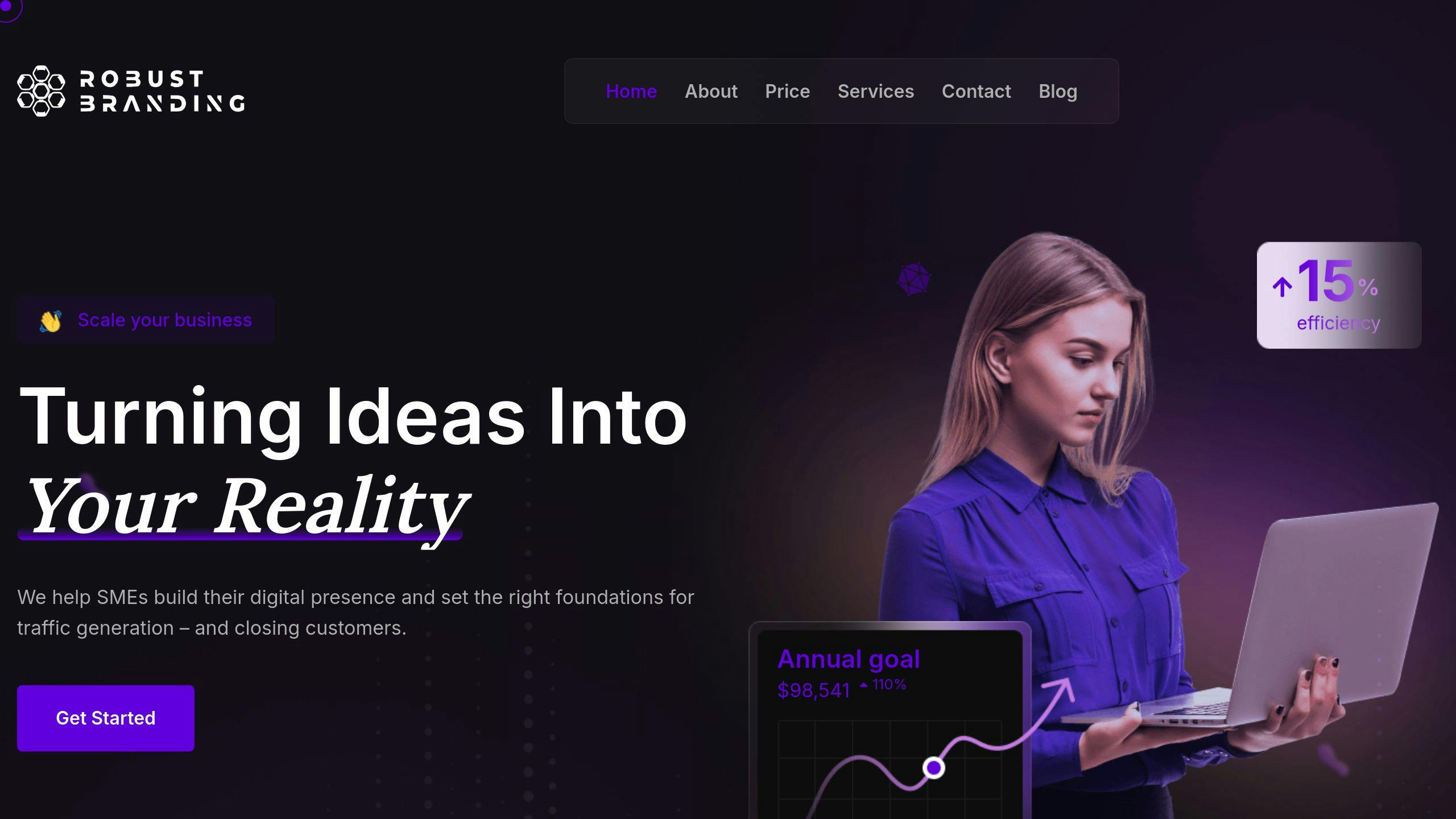
Robust Branding offers SMBs a simplified way to analyze their audience and refine strategies. Their package includes SEO, content creation, marketing automation, and web hosting, all starting at $99/month. Designed with small businesses in mind, the platform combines essential marketing tools with integrated analytics to provide practical, scalable solutions.
Conclusion: Using Data to Improve Your Strategy
According to McKinsey, companies that utilize data analytics are 23 times more likely to outperform their competitors [2]. By concentrating on important metrics, small and medium-sized businesses (SMBs) can transform raw data into practical strategies that fuel growth.
Here are some key performance indicators to prioritize for demographic analysis:
| Metric Type | What to Measure | Why It Matters |
|---|---|---|
| Customer Behavior | Acquisition Cost, Lifetime Value | Helps make marketing spending more efficient |
| Website Performance | Traffic, Bounce Rates | Reveals how well your content engages users |
| Market Position | Share of Voice, Brand Sentiment | Highlights your standing against competitors |
SMBs can start leveraging these insights using tools like Google Analytics or services such as Robust Branding. Google Analytics, in particular, is a go-to solution for tracking audience demographics and refining strategies.
The goal is to move beyond simply collecting data and focus on actionable improvements. Regular benchmarking and SWOT analyses are excellent ways to turn demographic insights into measurable results. These methods help identify gaps and uncover opportunities for growth.
The key to effective audience analysis lies in taking action. Consistent data evaluation, paired with a well-thought-out strategy, ensures your business remains competitive and aligned with the changing needs of your audience.